
Abhishek slaps 10-crore defamation notice on Madan Mitra over 'murderer' jibe
.gif)

Download Mobile App 






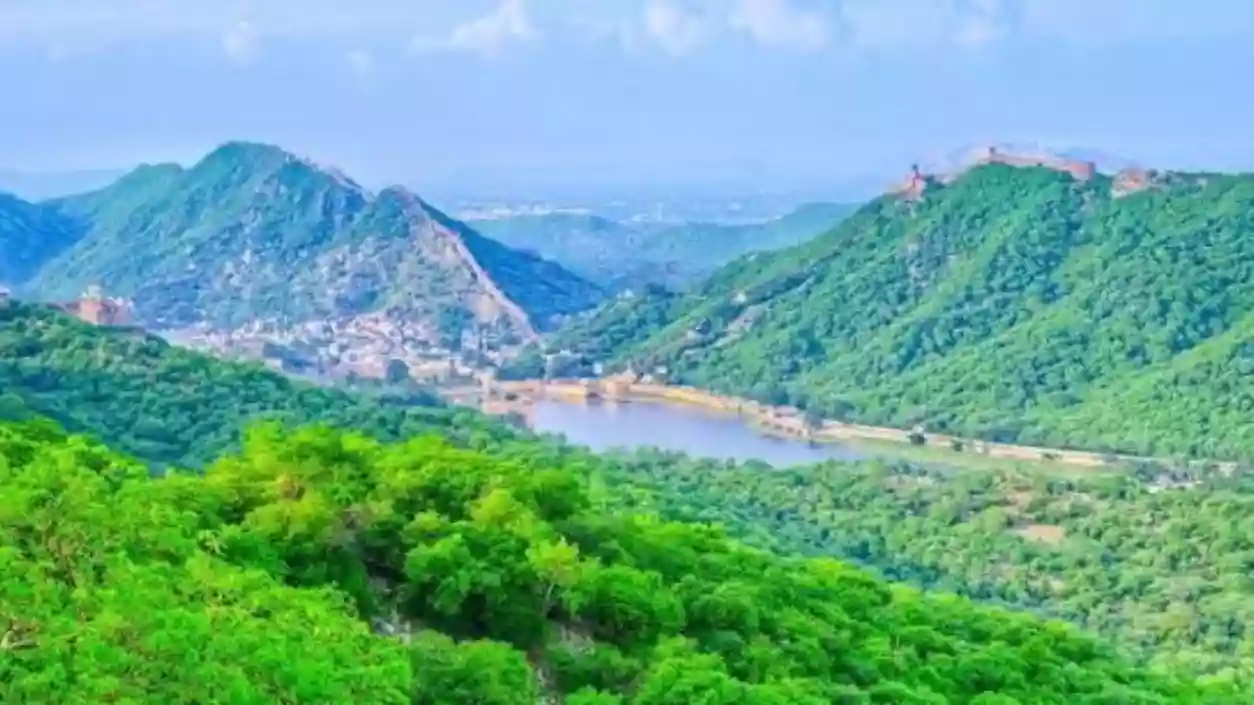
The Supreme Court has constituted a five-member high-powered committee to undertake a fresh scientific review of the definition and delineation of the Aravalli hill range. The committee has been directed to submit its report by August 31, and the matter is scheduled to be heard again on September 7. Pending the committee’s findings, the court has continued its stay on mining activities and the grant or renewal of mining leases across the Aravalli region.
The committee will be chaired by Kanchan Devi, Director General of the Indian Council of Forestry Research and Education. Other members include Dr Subhash Ashutosh, former Director General of the Forest Survey of India; Dr Rajendra Kumar Sharma, former Director of the Geological Survey of India; Brij Mohan Singh Rathore, former Joint Secretary in the Ministry of Environment, Forest and Climate Change; and Professor Ashok K. Bhatnagar, former head of the Department of Botany at Delhi University. The Ministry of Environment, Forest and Climate Change will nominate a Director-rank officer as member secretary.
The Supreme Court said a fair, impartial and independent expert assessment was necessary before any final decision could be taken regarding the identification and protection of the Aravalli range. The court noted that the issue carries significant ecological, environmental and developmental implications and requires a detailed scientific examination involving all relevant stakeholders.
The review follows concerns over recommendations made in an earlier report prepared by an eight-member committee headed by the Environment Ministry Secretary. That report proposed that landforms rising 100 metres or more above local terrain should qualify as Aravalli hills and that two or more such hills located within 500 metres of each other should be considered part of the Aravalli range. Questions were subsequently raised regarding the environmental implications of those criteria.
The committee has been asked to examine whether the 500-metre distance criterion could reduce the extent of the Aravalli ecosystem, whether hills separated by larger distances continue to function as a connected ecological and geological system, and whether thousands of lower-elevation hill formations could lose environmental protection under the proposed definition. It will also assess whether existing safeguards are adequate or whether a broader scientific and geological evaluation is required.
The court has directed the panel to consult the governments of Delhi, Rajasthan and Haryana, environmental groups, non-governmental organisations, mining lease holders, project proponents, farmers, villagers and local communities dependent on the Aravalli ecosystem. The committee has been instructed to evaluate the ecological, environmental and developmental consequences of any proposed measures while ensuring that its recommendations remain scientifically sound and practically implementable.







 West Bengal
 Bihar
Bihar Uttar Pradesh
 Jharkhand